
When to Take Your Child to Their First Dentist Appointment
The topic of pediatric dental care is significant for many parents. Deciding the right time for your child's first dentist appointment can be daunting, but it's crucial for their long-term oral health. Early dental care establishes a foundation for healthy habits and helps prevent dental diseases later in life. Proper timing ensures that any potential issues can be caught and managed early.
The "First Tooth, First Visit" Rule
The "first tooth, first visit" rule emphasizes the importance of not delaying dental care. Experts recommend that parents schedule their child's first dentist appointment upon the appearance of the first tooth. This ensures that any potential concerns are addressed immediately. Such early planning fosters proactive dental care and averts complications. The principle serves as a practical guideline for families unsure about the timing of the initial visit.
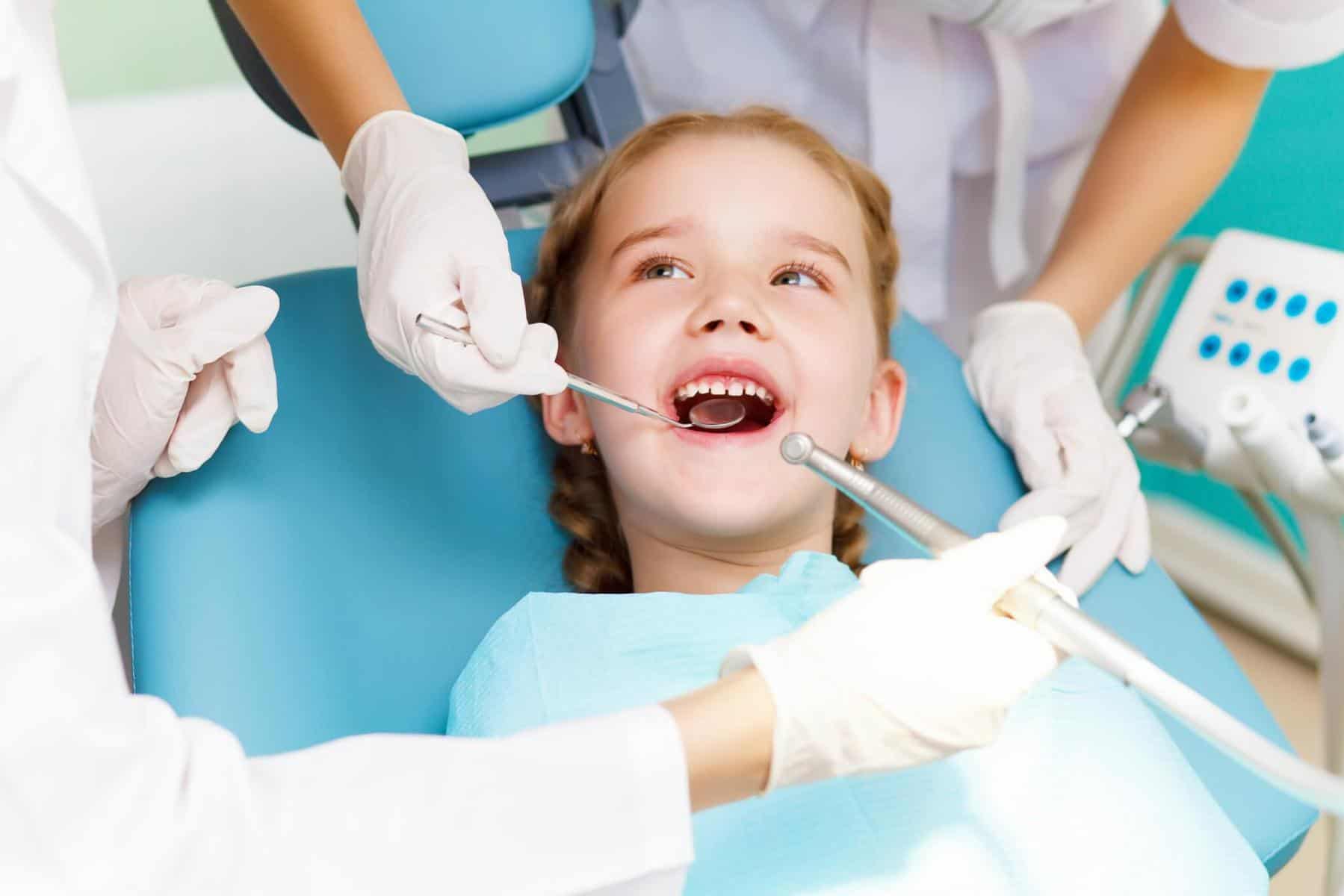
Early visits also help normalize the dental experience for children and parents alike. Introducing your child to the dental office at a young age allows them to become familiar with the sights, sounds, and routines before any treatment is needed. These initial appointments are typically brief and gentle, focusing on examination, guidance, and reassurance rather than procedures. By framing dental care as a routine part of health from the very beginning, parents can reduce anxiety, build trust with the dentist, and encourage a positive attitude toward future dental visits.
The Age One Dental Visit
Seeing a dentist by a child's first birthday is a widely endorsed practice. Expert organizations recommend this timing to set a benchmark for future visits. The age-one visit allows for early education on proper oral hygiene and dietary practices. It establishes the child's dental baseline, against which future assessments are compared. Early visits provide a crucial opportunity to lay down healthy dental foundations.
Beyond establishing a dental baseline, the age-one visit gives parents personalized guidance tailored to their child's specific needs. Dentists can review feeding habits, pacifier or thumb-sucking behaviors, and brushing techniques to help prevent early childhood cavities. This visit also allows caregivers to ask questions and address concerns before small issues become larger problems. By combining education with early assessment, the age-one dentist appointment supports informed decision-making and promotes consistent, healthy oral care routines at home.
Regular monitoring during the teething period also allows dentists to provide guidance on oral hygiene practices that are appropriate for a child's age. Parents can learn techniques for gently cleaning new teeth, massaging gums, and selecting safe teething toys or remedies. Early professional advice helps prevent plaque buildup and establishes habits that will support healthy teeth as more erupt. This proactive approach ensures that the teething process is managed comfortably while setting the stage for strong, decay-resistant teeth.
Cavities in Baby Teeth
According to the CDC, by age 8, more than 50% of children have had a cavity in their baby teeth. There is a common misconception that cavities in baby teeth are less important to address. However, untreated cavities can lead to infections or affect the health of permanent teeth. Early treatment of cavities in baby teeth is vital for your child's overall oral health. Timely intervention ensures that oral health pathways are properly established for the future. Understanding this importance changes perceptions of how primary teeth should be managed.
Baby teeth play a critical role in speech development, proper chewing, and guiding permanent teeth into place. When cavities are left untreated, they can cause pain that interferes with eating and sleeping, which may impact a child's overall development. Infections originating in baby teeth can also spread to surrounding tissues, increasing the risk of more serious oral health issues. Treating cavities early helps preserve these essential functions and supports a smoother transition as permanent teeth begin to emerge.
Signs of Tooth Decay
Identifying the early signs of tooth decay can prompt a timely dentist appointment. Symptoms may include white spots or brown lines on the teeth, indicating mineral loss or decay. Observing these signs helps in seeking intervention before the decay worsens. Regular dental check-ups aid in the early detection of decay, preventing future complications. Parental vigilance in recognizing these symptoms is paramount in maintaining the child's oral health.
In addition to visible changes on the teeth, other subtle indicators may point to early decay. Persistent bad breath, swollen or tender gums, and increased fussiness during brushing can signal underlying problems. Young children may not be able to communicate discomfort clearly, making these indirect signs especially important for parents to notice. Recognizing these warning signals early and scheduling a dental evaluation can prevent minor decay from progressing into more serious dental issues.
Sensitivity or Pain Experience
Experiencing sensitivity or pain in the mouth is an indicator that a dentist appointment is needed. Complaints of discomfort when eating or brushing warrant an immediate consultation. Such sensitivity might suggest underlying issues like cavities or gum problems. Early evaluation can identify the causes and establish a plan for treatment. Attending to pain quickly prevents further distress and ensures sustained oral health.
Even mild or intermittent discomfort should not be ignored, as it can signal early stages of cavities, enamel erosion, or gum inflammation. Prompt attention allows the dentist to identify the source of pain and recommend minimally invasive treatments when possible. Addressing sensitivity early can prevent it from escalating into more severe issues, reduce the likelihood of infections, and help children develop positive experiences with dental care rather than fear or anxiety.
Developmental Concerns
Monitoring developmental milestones of children's teeth is important in scheduling visits. Irregularities such as delayed tooth eruption or misalignment require professional evaluation. Catching these developmental issues early allows for timely interventions. Dentists provide guidance on orthodontic assessments if misalignment is observed. Regular check-ups ensure that the growth trajectory of your child's oral structure is healthy.
Early detection of developmental concerns also allows parents and dentists to create a long-term care plan tailored to the child's needs. Interventions such as space maintainers, guidance on jaw growth, or early orthodontic referrals can prevent more complicated procedures later. Monitoring these milestones regularly ensures that teeth and jaws develop in proper alignment, supporting not only oral health but also speech, chewing efficiency, and overall facial structure. Prompt attention to growth patterns lays the groundwork for a healthier smile in the years to come.
Behavioral Indications
Altered behavior, such as avoiding certain foods or reluctance to open the mouth, can indicate dental issues. Changes in eating or speaking habits are often linked to oral discomfort. Observing these behavioral cues can prompt a dentist appointment for assessment. Addressing these issues early prevents the escalation of potential problems. Behavioral changes are essential cues in understanding a child's oral health needs.
Choosing the right time for your child's first dentist appointment is pivotal in fostering excellent oral health habits. Early visits to a dental provider can prevent cavities, address dental anxiety, and establish a lifelong pattern of dental care. Educating parents on the timing and purpose behind these visits dispels misconceptions and encourages a proactive approach. A focus on prevention, supported by regular check-ups and guidance, fosters a positive relationship with oral health. Prioritizing these initial encounters at Blake Ristvedt Dental proves advantageous for your child's oral health now and in the future. Reach out today to get started with our excellent care!









Share On: